
Why Every Crisis Feels Unexpected — Yet Markets React the Same Way
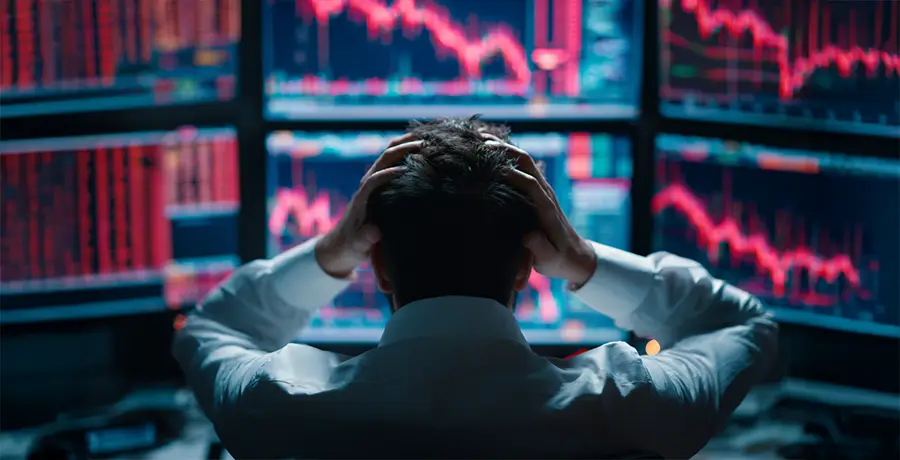
From political shocks to financial scares, the headlines change — but investor behavior rarely does.
Key Takeaways
- Markets often react the same way to very different crises because investor behavior follows familiar risk patterns.
- Faster information flow and tighter global financial connections amplify short-term reactions.
- Today’s system leaves less room to respond to surprises, making volatility feel more frequent.
- Retirees tend to feel these shifts more personally, even without making active investment changes.
——————————–
Why So Many Different Headlines Trigger the Same Market Response
One week it’s a political arrest. Another, a banking shock. Then a sudden policy move halfway around the world.
The headlines change quickly and rarely look alike. Yet the market response often follows a familiar pattern.
This week’s example came from South America, where political upheaval in Venezuela pushed investors to reassess risk. Stocks slipped, volatility picked up, and — as often happens in moments like this — gold and silver moved higher as investors sought perceived safety.¹
What matters most isn’t the specific headline, or even which asset moved in response. It’s the underlying behavior that keeps repeating when uncertainty rises.
The Pattern Hiding in Plain Sight
Step back from today’s news cycle and a simple pattern emerges.
Over the past decade, markets have reacted most sharply when events introduce uncertainty about what comes next.
A banking scare raises questions about financial stability.
A geopolitical flashpoint raises questions about global trade or energy.
A policy surprise raises questions about interest rates or inflation.
Each event is different. The common thread is uncertainty.
When the future becomes harder to predict, investors tend to move fast in hopes of reducing risk quickly. Markets adjust before answers arrive, not after.
The key difference today isn’t events that move markets — it’s how quickly those reactions now unfold.
Why Markets Feel More Jumpy Than They Used To
Modern markets no longer wait for all the facts to come in.
Headlines now travel instantly, trading decisions happen in milliseconds, and a growing share of market activity is driven by automated systems responding to risk signals. When uncertainty rises, those systems are designed to reduce risk quickly.
That shift has been dramatic over the past two decades.
Market reactions that once unfolded over days now happen within hours — sometimes minutes. The speed itself amplifies the feeling of instability, even when the underlying issue hasn’t fundamentally changed.
That’s why market moves can feel sudden — even when they follow a familiar pattern.
Faster market reactions don’t just change price charts — they change how uncertainty feels. When markets move quickly and often, it creates a sense that stability can vanish without warning, even when nothing dramatic has changed in day-to-day life.
Why Retirees Feel This More Than Anyone
For retirees, this faster pace can feel especially unsettling.
Even without frequent trading or day-to-day market involvement, sudden swings can affect confidence just as much as account balances. When markets react quickly, it becomes harder to tell whether a move is temporary noise or something more lasting.
And retirees don’t have the income or time to make up for investment mistakes.
That’s why uncertainty often feels more personal in retirement — and why understanding what’s happening beneath the surface matters.
The Bigger Takeaway Isn’t About One Event
Venezuela won’t be the last headline to move markets. Neither will the next political shock, policy shift, or global flare-up.
The more important insight is this:
Modern markets increasingly react to uncertainty itself — not just the events that create it.
Once that pattern is clear, headlines feel less shocking. Market moves feel less mysterious. And the constant sense of surprise begins to fade.
Understanding, Not Reacting
At Augusta Precious Metals, our goal has always been to help retirees understand what’s happening beneath the headlines — not simply react to them.
Markets will continue to move. News cycles will continue to accelerate. But long-term confidence comes from recognizing patterns, understanding how uncertainty affects behavior, and learning how different parts of a retirement strategy have historically responded during turbulent periods.
That kind of education doesn’t eliminate volatility.
But it can make it far easier to navigate with clarity and calm.

Our mission is to educate and empower investors across America to protect their retirement and gain peace of mind for the future.
References
- Yahoo Finance. “Gold, Silver Jump as Investors Flock to Safe Haven Following Venezuela Developments.“ January 5, 2026.
- Bank for International Settlements. Quarterly Review & global liquidity analysis. Accessed January 5, 2026.
- International Monetary Fund. Global Financial Stability Report. Accessed January 5, 2026.
- Federal Reserve. Financial Stability Report. November 2025.